

 Post by
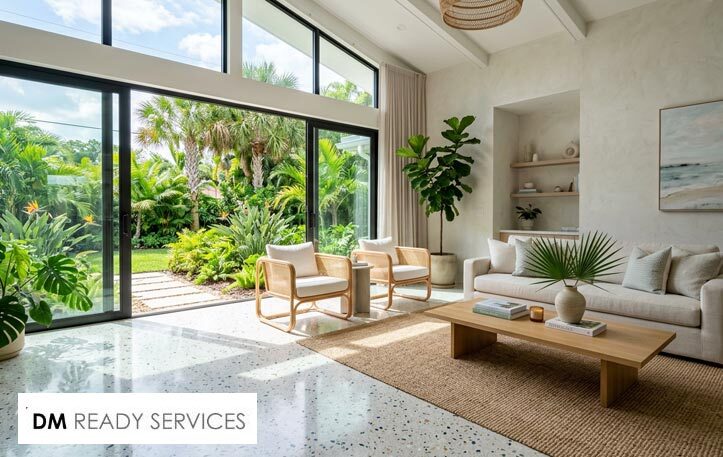
 If you are asking, is terrazzo still trendy in 2026 or 2027, the answer is a resounding yes. Terrazzo floors have evolved from a classic mid-century favorite into one of the most sought-after design choices for modern residential and commercial properties. Architects, interior designers, and building owners choose terrazzo for its timeless beauty, custom artistic choices, and incredible durability.
Whether you are remodeling a home or managing a commercial property, terrazzo offers a unique blend of vintage charm and contemporary style.
In this guide, we will cover why terrazzo floors continue to dominate global design trends, how different flooring systems perform, and how professional terrazzo floor restoration can keep your investment looking brand new for decades.
Key Takeaways
- Unbeatable Lifespan: Terrazzo floors routinely last over 100 years with basic maintenance, making them the ultimate long-term investment for any building owner.
- Leading Design Choice: Terrazzo remains a top choice in interior design trends for 2026 and 2027 due to its seamless appearance, warm color options, and eco-friendly design.
- Low-Maintenance Care: Terrazzo is remarkably easy to clean. Daily care requires only a dry dust mop and occasional damp mopping with warm water and a neutral cleaner.
- Restoration Over Replacement: Old or dulled terrazzo does not need to be replaced. Professional terrazzo floor restoration brings damaged floors back to a showroom shine for a fraction of replacement costs.
- High Traffic Resistance: Made with marble, glass, or stone aggregates, terrazzo flooring offers high resistance to heavy foot traffic while staying environmentally friendly.
Why Terrazzo Floors Lead Interior Design Trends in 2026 and 2027
Modern interior design styles prioritize natural textures, warm color palettes, and seamless room transitions. That is why terrazzo floors fit so cleanly into current trends for 2026 and looking ahead into 2027.
1. Seamless Open Plan Living Spaces
Modern home layouts feature wide open plan concepts. Designers want a single continuous surface that flows naturally across main living spaces, entryways, and kitchens. Poured terrazzo creates a uniform floor without awkward breaks. Installers use metal divider strips to control expansion and separate custom color accents while keeping the entire floor smooth and flush.
2. Large Format Terrazzo Tile
When a poured floor is not practical for a specific layout, large format terrazzo tile has become a popular design alternative. Using larger tiles minimizes visible grout lines, which makes smaller rooms feel expansive and luxurious.
3. Earthy Tones and Bold Aggregates
While cool gray tones were common in past years, recent interior design trends focus on warm neutrals, desert terracotta, cream shades, and rich botanical greens. Designers can mix marble, glass, quartz, or shell chips into the matrix, giving property owners total creative freedom over their space.
Comparing Terrazzo Flooring Systems: Epoxy vs. Cement-Based
When comparing flooring options, it helps to understand the two main flooring systems used in modern terrazzo installation projects.
| Feature | Epoxy Terrazzo Floor | Cement-Based Terrazzo |
| Primary Binder | Resin (Epoxy matrix) | Cementitious binder |
| Standard Thickness | 1/4 inch to 3/8 inch | 1/2 inch to 2.5 inches |
| Best Application | Indoor residential & commercial | Indoor and outdoor spaces |
| System Weight | Lightweight | Heavy |
| Cure Time | Fast (cures overnight) | Longer curing period |
| Crack Resistance | High flexibility and strength | Rigid; requires deeper setting bed |
An epoxy terrazzo floor is the top choice for modern indoor installations. It cures rapidly, accepts vibrant dyes, and is light enough for multi-story residential buildings. On the other hand, a cement-based floor system is thicker and heavier, making it ideal for exterior plazas, covered patios, or ground-level slabs subject to heavy moisture exposure. Both styles handle high traffic exceptionally well.
Costs, Lifespan, and Long-Term Value
Property managers frequently ask: What is the average lifespan of a terrazzo floor?
The answer is simple: installed terrazzo floors easily last 75 to 100 years or more. In many historical buildings, the original terrazzo floor outlasts the building structure itself.
Installation Costs vs. Lifecycle Value
When planning a new terrazzo installation, the initial installation costs are higher than installing carpet, vinyl, or basic ceramic tile. These costs cover high-grade materials and labor, as skilled craftspeople must pour, level, grind, hone, and seal the surface.
However, terrazzo offers lower long-term costs than almost any other material:
- No Replacement Costs: Carpet and vinyl must be torn out every 10 to 15 years. Terrazzo stays in place for a lifetime.
- Low Cleaning Expenses: You do not need costly chemical strippers, heavy waxes, or specialty machinery.
- Environmentally Friendly: Because terrazzo lasts so long and uses recycled aggregates like crushed glass, it reduces landfill waste over its lifespan.
When spread across several decades, terrazzo is a cost-effective, long-term investment for home and commercial building owners.
Maintenance Tips for Terrazzo Flooring
Terrazzo is popular in places with heavy foot traffic, such as schools, airports, and hotels, because it is exceptionally easy to clean. The non-porous surface delivers high resistance against spills, stains, and bacteria.
To keep a high-quality terrazzo surface in top condition, follow this basic routine:
- Daily Dust Mopping: Sweep daily using a clean dust mop to remove loose sand and grit that could dull the polish.
- Weekly Damp Mopping: Clean once a week with warm water and a neutral pH cleaner. Perform light damp mopping and avoid abrasive scrub brushes.
- Avoid Wax and Harsh Chemicals: Never use acidic cleaners, bleach, ammonia, or wax polishes. Wax builds up over time and attracts dirt, hiding the natural shine of your floor.
Restoring Existing Surfaces: Can Terrazzo Floors Be Refinished?
If you purchase an older building with worn, scratched, or hidden terrazzo, you may ask: Can terrazzo floors be refinished?
Yes, absolutely! Refinishing is one of the greatest benefits of this flooring type. Even if your floor has been buried under old carpet tack strips, linoleum, or decades of dirt, professional restoration can completely renew the surface.
Terrazzo Floor Restoration St. Petersburg, FL.
For property owners in Tampa Bay and Pinellas County, working with experienced technicians guarantees incredible results. Professional terrazzo floor restoration St. Petersburg, FL. includes:
- Deep Cleaning & Adhesive Removal: Removing old carpet glue, paint, and surface stains safely.
- Crack & Chip Repair: Patching holes and cracks with color-matched epoxy and aggregate chips.
- Diamond Grinding & Honing: Removing minor surface scratches to reveal a fresh layer of natural stone.
- Polishing & Sealing: Polishing the floor with fine diamond pads to your preferred shine and applying a protective sealer.
Restoring an existing surface costs significantly less than replacing it, giving you a brand-new appearance while preserving original craftsmanship.
Is Terrazzo Still Trend-Forward for the Future?
Many homeowners wonder, is terrazzo still trend-forward or just a passing fad? Design experts agree that terrazzo is much more than a short-term trend. Because it is flexible, eco-friendly, and customizable, terrazzo is a permanent architectural staple.
Whether you choose sleek monochrome tiles or a custom epoxy installation, terrazzo will remain a dominant force in interior design for years to come.
FAQs: Terrazzo Flooring and Restoration Trends
Here are answers to common questions about terrazzo flooring trends, performance, and long-term care for residential and commercial properties.
Is terrazzo flooring still popular for residential and commercial spaces in 2026 and 2027?
Yes, terrazzo continues to lead interior design trends moving through 2026 and into 2027. Modern designers and property owners favor terrazzo for its seamless open-plan appearance, sustainable construction, customizable aggregates, and compatibility with warm neutral and earthy color palettes.
Can damaged, stained, or dull terrazzo floors be restored instead of replaced?
Yes. Professional terrazzo floor restoration can completely renew worn or hidden terrazzo, even floors previously covered by carpet, tack strips, or old adhesives. Technicians use diamond grinding, patching, honing, and polishing to repair damage and restore the surface to a showroom shine at a fraction of full replacement costs.
What is the difference between epoxy terrazzo and cement-based terrazzo?
Epoxy terrazzo is lightweight, thin ($1/4\text{ to }3/8\text{ inch}$), fast-curing, and crack-resistant, making it the preferred choice for indoor residential and commercial installations. Cement-based terrazzo is thicker, heavier, and weather-resistant, making it ideal for exterior plazas, covered patios, or ground-level slabs exposed to outdoor moisture.
How long does a terrazzo floor typically last?
With basic routine care, terrazzo floors routinely last between 75 and 100 years, often outlasting the building itself. Because terrazzo never requires replacement like carpet, vinyl, or laminate, it delivers one of the lowest lifecycle costs of any flooring material on the market.
How should I daily clean and maintain terrazzo floors to preserve their polish?
Sweep daily using a clean, dry dust mop to remove sand and grit that can scratch the finish. For routine cleaning, damp mop weekly using warm water and a neutral pH cleaner. Avoid acidic solutions, bleach, ammonia, and topical wax polishes, as waxes build up over time and obscure the floor’s natural shine.