

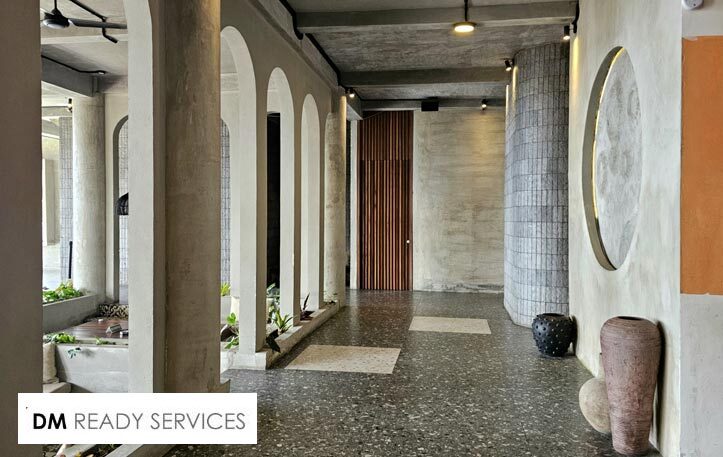
 Post by
 If you are looking at different flooring options for a commercial or residential space, you might be asking: What is the average lifespan of a terrazzo floor? The simple answer is that these floors can last an incredibly long time. In fact, many of them last for the entire life of the building!
When you see a beautiful terrazzo floor, you are looking at one of the most durable materials available in the building industry today. With proper care and maintenance, installed terrazzo floors often last between 40 and 100 years, and sometimes even longer.
In this article, we will cover exactly how long these floors last, why they are considered a fantastic long-term investment, and how building owners can easily keep them looking like brand new.
Key Takeaways
- Average Lifespan: A standard terrazzo floor can easily last 75 to 100 years with minimal repairs, often outlasting the building itself.
- Durability: Terrazzo is highly durable and designed to withstand heavy foot traffic, making it ideal for both commercial and residential spaces.
- Maintenance: It is incredibly easy to clean. A daily dust mop and occasional damp mopping with a neutral cleaner are usually all you need to maintain its shine.
- Cost-Effectiveness: While initial installation costs may be higher than other flooring systems, the lack of replacement needs makes it the most cost-effective choice over time.
- Terrazzo Restoration: If a floor ever loses its shine, a professional terrazzo floor restoration can bring it back to its original glory for a fraction of the cost of installing a brand-new floor.
What Makes Terrazzo Last So Long?
Terrazzo is famous around the world for its extreme durability. The overall lifespan mostly depends on the type of system you choose to install.
- Cement-based terrazzo: This is the traditional, classic method. It is very thick and great for outdoor use, or for indoor spaces that need maximum strength and moisture control.
- Epoxy terrazzo floor: This is the most popular choice for modern indoor spaces today. It cures quickly, is lighter in weight, and resists cracking much better than the older styles.
Both types offer high resistance to water, stains, fire, and harmful bacteria. Because the surface is totally smooth and seamless (except for decorative metal divider strips used for design), dirt and mold have nowhere to hide. This is exactly why you always see terrazzo in large airports, schools, and busy hospitals that deal with constant high traffic.
Are the Costs Worth It?
When planning a new terrazzo installation, some people naturally worry about the price tag. It is true that the initial installation costs (which include both the raw materials and labor) are usually higher than installing basic carpet, vinyl, or standard tile.
However, you have to look at the big picture. Since terrazzo lasts 75 to 100 years, you will likely never have to replace it.
Other floors might need replacing every 10 to 15 years, which adds up fast. Over time, terrazzo becomes the cheapest flooring option per year. It is truly a fantastic long-term investment for any property.
Plus, it is highly environmentally friendly because it often uses recycled glass and stone chips, and it greatly reduces waste in landfills since it never needs to be torn out.
How to Maintain Terrazzo Flooring
Keeping your floors looking high quality is very simple. Terrazzo is famous for being very easy to clean and maintain.
For daily care, just use a dry dust mop to remove loose dirt and sand. This prevents tiny scratches from daily heavy foot traffic. Once a week, give the floor a gentle damp mopping using warm water and a neutral pH cleaner.
You should always avoid using harsh chemicals, bleach, or wax products. Wax can build up quickly and make the floor look dull over time. As long as you stick to basic cleaning routines, your terrazzo flooring will stay beautiful and vibrant for decades.
Is terrazzo still trendy in 2026?
Yes! If you are wondering, “Is terrazzo still trendy in 2026?“, the answer is a resounding yes. Terrazzo floors are more popular than ever before. Modern architects and interior designers love the endless color choices and the clean, seamless look.
Because of its eco-friendly nature and completely custom design capabilities, it continues to be a top choice for modern homes and commercial spaces alike.
Can terrazzo floors be refinished?
You might also ask, “Can terrazzo floors be refinished?” Absolutely. If you buy an older building and find dull or scratched terrazzo hiding under some old carpet, do not tear it up! Professional terrazzo floor restoration can grind down the damaged top layer, polish it smoothly, and seal it to look brand new again.
If you live in Florida and need help, looking into terrazzo floor restoration in St. Petersburg, FL. is a very smart move. Local professionals can easily patch cracks, perfectly match old colors, and bring your historic floors back to life.
FAQs: Terrazzo Floor Lifespan and Durability
Here are answers to common questions regarding the life expectancy, long-term ROI, and maintenance of terrazzo flooring systems.
How long does a terrazzo floor typically last compared to other flooring options?
With basic routine care, an installed terrazzo floor routinely lasts 75 to 100 years, often outlasting the building structure itself. While materials like carpet, vinyl, and laminate require full replacement every 10 to 15 years, terrazzo remains in place permanently, eliminating lifecycle replacement costs.
What makes terrazzo flooring so durable in high-traffic commercial and residential spaces?
Terrazzo combines natural stone, marble, or glass aggregate with a dense cementitious or epoxy binder to create a non-porous, seamless surface. Because there are no grout lines or open seams for dirt, water, or bacteria to penetrate, terrazzo inherently resists staining, heavy foot traffic, and structural wear.
Which lasts longer: epoxy terrazzo or cement-based terrazzo?
Both systems offer multi-decade durability, but they are engineered for different applications. Epoxy terrazzo is flexible, highly crack-resistant, lightweight, and ideal for high-traffic indoor environments. Cement-based terrazzo is thicker, heavier, and exceptionally weather-resistant, making it better suited for outdoor plazas or ground-level slabs with high moisture exposure.
Can an old or dull terrazzo floor be restored to extend its lifespan?
Yes. Rather than replacing worn or covered terrazzo, property owners can invest in professional restoration. Technicians use diamond grinding to remove surface scratches, patch cracks with color-matched aggregate, and hone and polish the stone back to a high-gloss, factory-fresh finish at a fraction of replacement costs.
What daily maintenance is required to prevent terrazzo from wearing down?
To maximize longevity, sweep daily with a clean, dry dust mop to remove abrasive grit and sand that can scratch the finish. Clean weekly using warm water and a neutral pH cleaner. Never apply topical waxes, bleach, ammonia, or acidic cleaners, as these build up or strip protective sealers and dull the surface over time.